
Seasonal Allergies (Hay Fever)
Understanding Pollen & Seasonal Allergies
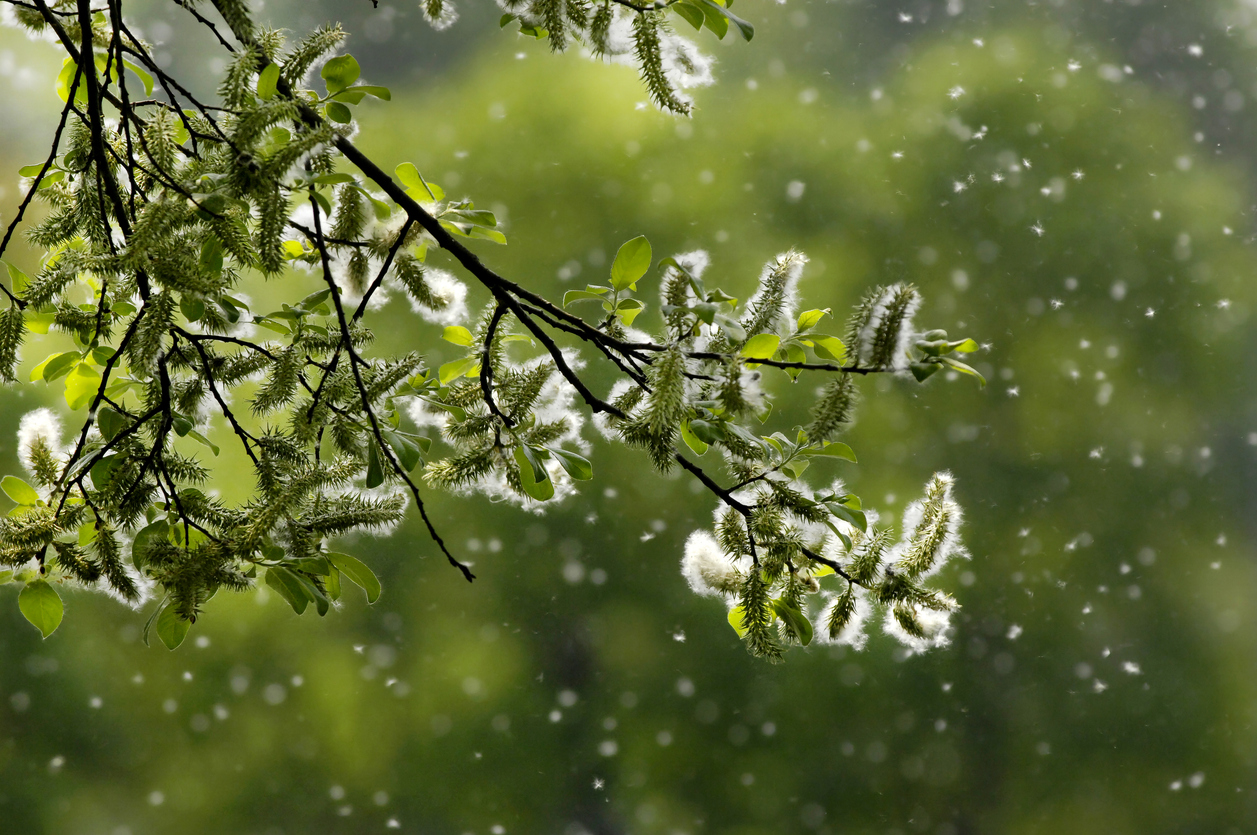
Seasonal allergens are caused by pollens from various plants in the environment. Pollens are released by different plants at different times of year. Depending on what you are allergic to, your symptoms may vary during the year.

Common Causes of Seasonal Allergies
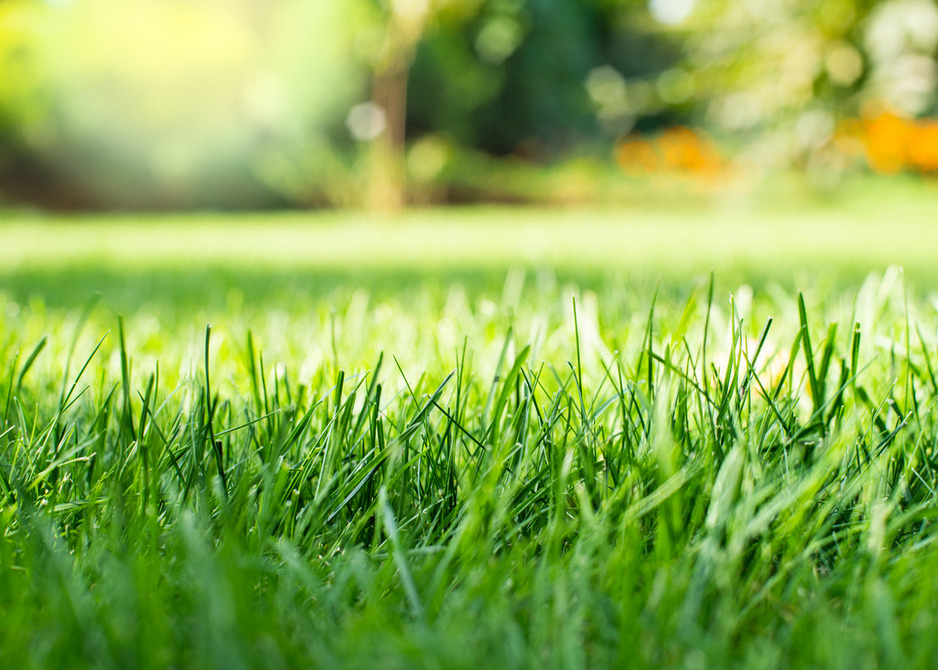
Grasses
Grass pollen season starts in May and lasts through June. The peak time for grass pollen is usually around the end of May
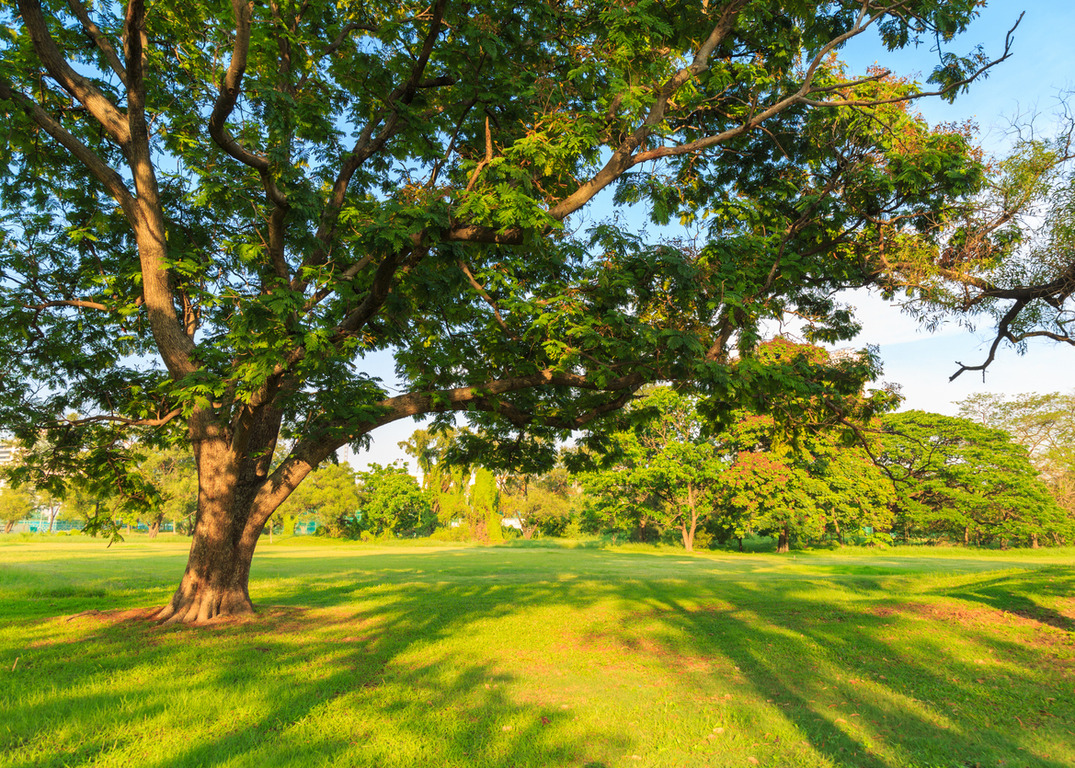
Trees
Many trees pollinate from the end of March through April. However, a few very common trees in New England (Birch and Oak trees) pollinate later and their pollen peaks in May.
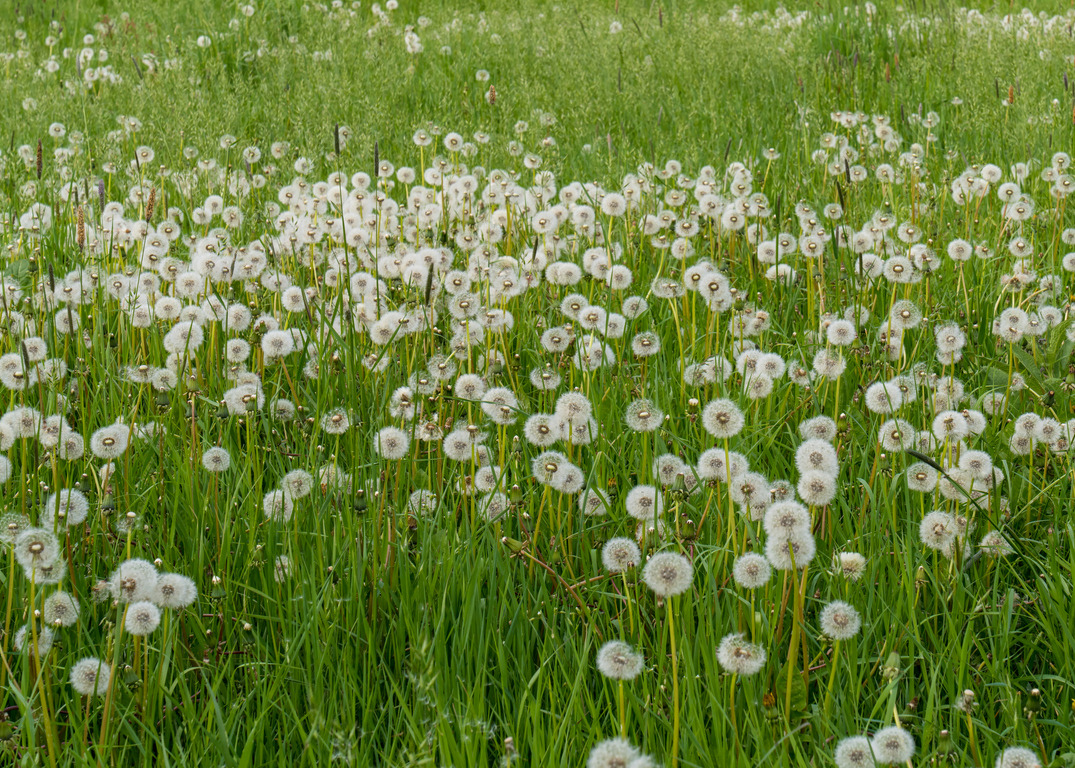
Weeds
Plantain is an early pollinating weed, which begins to pollinate with the grasses and continues through the fall. Most other weeds, including Ragweed (which is the most prolific weed) begin to pollinate in mid-August, peak in September and continue to pollinate until the first frost.
What are the signs and symptoms of allergies?
Avoiding seasonal, outdoor allergens can be difficult because the pollens travel around in the air. Keeping the windows in your house closed during the pollen season and using air conditioners are ways to decrease exposure to pollens when you are indoors.
Get Allergy Relief Today!
Board Certified Allergists Serving Both Children & Adults