
Asthma

Get The Relief You Need With Our Asthma Specialists
With proper treatment, asthma does not need to hold you back! Whether you or a family member needs an asthma specialist, Allergy & Asthma Care is here to help. Our board-certified allergists are specialists in asthma management for children and adults. All three doctors are also pediatricians, so they are comfortable caring for patients of all ages.
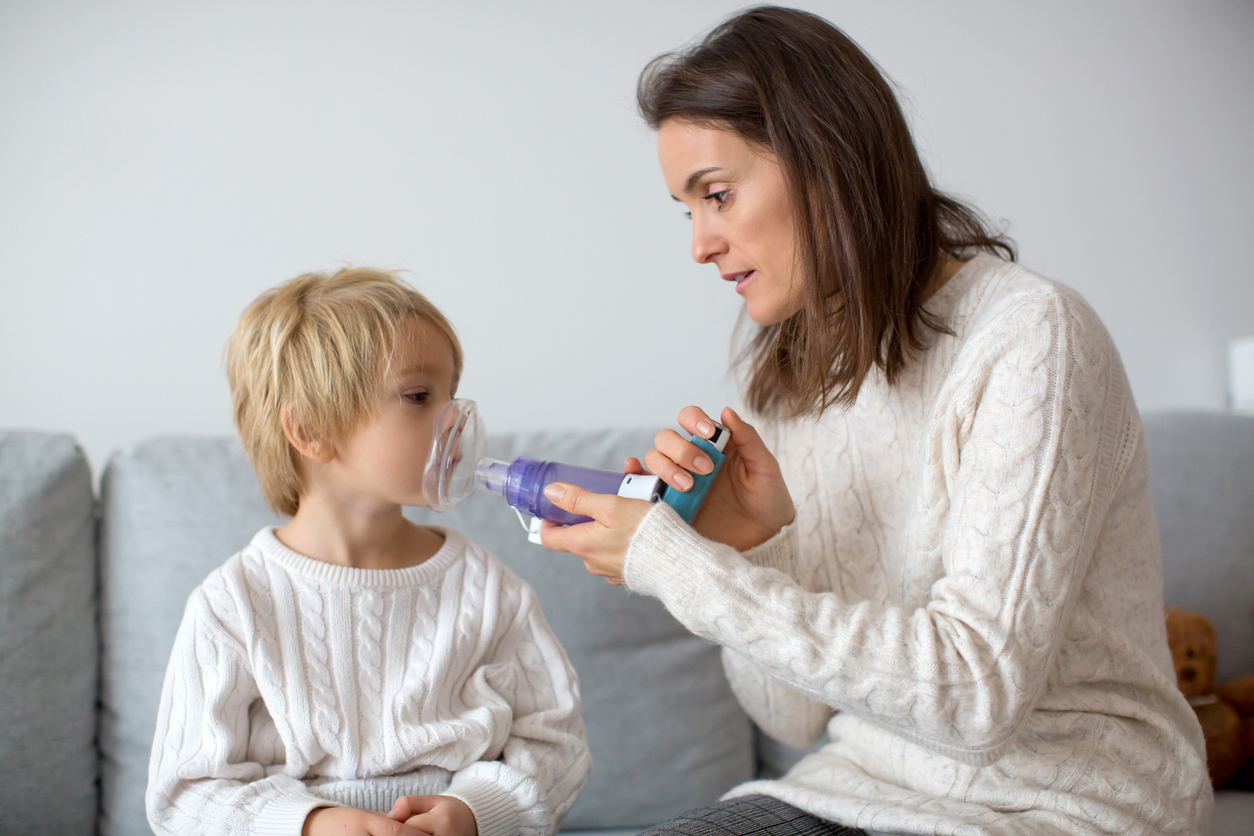
Managing Childhood Asthma
Asthma is the most common chronic illness among children. Untreated asthma can interfere with your child's sleep, exercise, and school attendance. Uncontrolled asthma can lead to emergency room visits, hospitalizations, and even death.
The good news is that childhood asthma can be effectively treated with medications and lifestyle management—especially avoidance of allergies and triggers. With proper treatment, children with asthma should be able participate in all sports and not be held back by their asthma.
Asthma Frequently Asked Questions
What is asthma?
Asthma is a chronic disease of the lungs that prevents normal, easy breathing. Asthma symptoms are caused by constriction (tightening) of the muscles and inflammation of the bronchial tubes. Increased mucus along with the constriction, swelling, and irritation can make it difficult to breathe.
Do I have asthma?
You might have asthma if you:
- Often are short of breath.
- Feel tightness in your chest.
- Wheeze when you breathe.
- Cough a lot while exercising or in bed at night.
Some of these signs and symptoms may arise from other medical conditions. If you experience any of the above, it is important that you seek evaluation by an asthma specialist.
What causes asthma?
For most asthma patients, the airways are always swollen and irritated, even when they feel fine. People with asthma may feel reasonably well until they are exposed to something that triggers their asthma. Asthma triggers can be allergens such as cat dander or pollens, or irritants such as cigarette smoke. Understanding your triggers is an important part of managing your asthma effectively.
What triggers an asthma attack?
The following inhaled irritants are common asthma triggers:
- Wood or tobacco smoke.
- Smog.
- Vehicle exhaust.
- Air fresheners / room deodorizers.
- Scented candles and incense.
- Perfumes.
- Seasonal and year-round allergens such as pet dander, pollen, dust, mold. Cold air, exercise and respiratory infections such as the flu or common cold can also trigger an asthma attack.
How is asthma diagnosed?
A special breathing test (called spirometry) is used to diagnose and monitor asthma in patients more than 6 years old. Your asthma specialist may also recommend allergy testing. Studies show that allergies cause up to 80 percent of all asthma in children and 50 percent of all asthma in adults.
Young children can be diagnosed with asthma although there is no breathing test that can be easily done. Talk to your doctor about any concerns about your child’s breathing.
Is untreated asthma dangerous?
It is vital to seek medical attention for asthma. Airway irritation can increase in severity over time. Uncontrolled asthma can result in permanent loss of lung function and can severely impact your quality of life. Some asthma attacks can be severe and lead to hospitalization or death. Controlling asthma every day can prevent these serious events.
How is asthma treated?
Although asthma cannot be cured, the symptoms can be controlled by avoiding triggers and taking medications correctly and consistently or as needed. The goal of asthma management is to help patients live without limitations.
Most people with asthma need to take a daily medication to fight the chronic irritation and swelling in their lungs. The medication might be in the form of a pill, an inhaler, or both.
People with asthma (including children over the age of 6) should also have a breathing test at least once a year to assess their lung function.
Avoiding triggers for your asthma will help to prevent symptoms. Many people with asthma also have allergies, and controlling these allergies is an important step in controlling the asthma.
Some children “outgrow” asthma, and it is important to check in with their asthma regularly as they grow to make sure they are getting the treatment that they need but not being over medicated.